
What can you do to reduce your risk of dementia?
World Alzheimer’s Month
September is World Alzheimer’s Month, a chance to learn more about dementia | mate wareware and the steps we can take to look after our brain health.
Dementia isn’t an inevitable part of ageing. Age is the strongest risk factor, and we can’t change our age or the genes we inherit. However, evidence suggests there are other factors we may be able to influence.
The 2024 Lancet Commission identified 14 potentially modifiable risk factors for dementia. Its researchers estimate that addressing these factors could prevent or delay nearly 45% of dementia cases worldwide.
That figure applies across populations. It doesn’t mean any one person can reduce their individual dementia risk by 45%, and there are no guarantees. Some risks are also shaped by people’s social, financial and environmental circumstances. Dementia isn’t anyone’s fault.
What can you do about dementia?
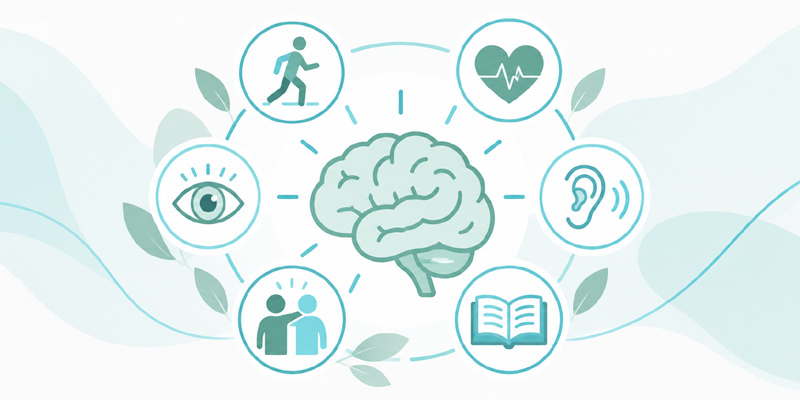
Many of the recommended steps will already be familiar because they also support heart health and general wellbeing:
- Know your numbers. Have your blood pressure, cholesterol and blood sugar checked, and work with your healthcare team to manage them.
- Keep moving. Regular physical activity helps support the health of your heart, blood vessels and brain.
- Look after your hearing and vision. Arrange a check if you’ve noticed a change, and use hearing aids or glasses if they’re recommended.
- If you smoke, ask for help to stop. Avoiding excessive alcohol consumption can also reduce risk.
- Eat well and aim for a healthy weight. This can help manage blood pressure, cholesterol and the risk of type 2 diabetes.
- Seek help for depression. Talk with your GP or another health professional if low mood is persistent or affecting daily life.
- Stay connected. Regular contact with whānau, friends and community groups can help reduce social isolation.
- Keep your mind active through learning, hobbies or activities you enjoy.
- Protect your head by wearing the right helmet for cycling, contact sports and higher-risk work or activities.
You don’t need to change everything at once. At your next appointment, ask which dementia risk factors are most relevant to you and what a realistic first step could be.
If you’re concerned about changes in your memory, thinking or ability to manage everyday tasks, please make an appointment with us.
Find more information about reducing dementia risk on the Dementia New Zealand website. Dementia Navigator also offers free online learning and practical resources.